Baby Closet organization
There’s a quiet kind of overwhelm that can settle in when you open your baby’s closet. Tiny clothes spilling over shelves. Socks without matches. Outfits you forgot you even had.
If you’ve felt that moment of sigh… I’ll deal with this later, you’re not alone. Baby closet organization isn’t about creating perfection—it’s about making your days a little softer and your routines a little easier.
Let’s walk through this together, slowly and simply.
Start With a Clean Slate
Before organizing, take everything out of the closet. Yes, everything. This isn’t about judgment—it’s about seeing what you truly have.
As you go, sort items into three gentle piles:
- Keep: Items your baby is currently using or will in the next month.
- Store: Clothes for future sizes or seasons
- Pass Along: Items your baby has outgrown, or you no longer need
If something is stained, worn, or no longer safe, it’s okay to let it go. Clearing space is an act of care—for you and your baby.
Baby Closet Organization Sorting Tips
Babies grow quickly, and clothing can blur together fast. Grouping clothes by size brings immediate calm.
Try organizing into sizes like:
- Newborn
- 0–3 months
- 3–6 months
- 6–9 months
- 9–12 months
Within each size, separate by season. Keep what fits right now front and center, and store future or off-season clothing higher up or in bins with labels for easy baby closet organization.
This simple step saves time, especially during early mornings and late nights.
Choose Storage That Feels Easy, Not Overwhelming
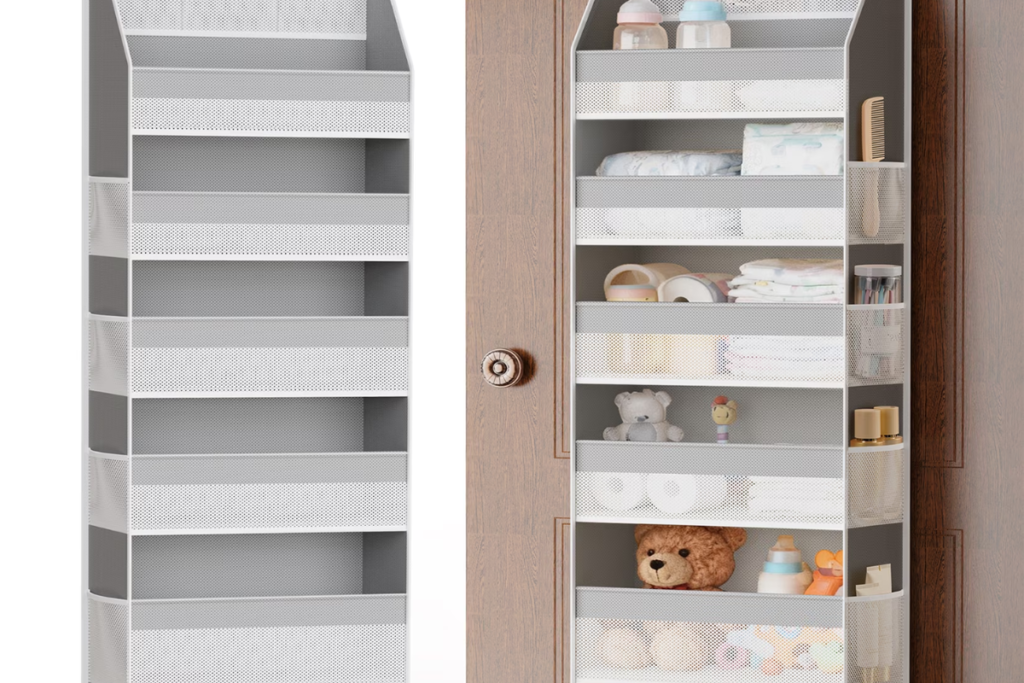
You don’t need fancy systems. The best storage is what works effortlessly with your baby closet organization.
A few gentle options:
- Hanging organizers for onesies and everyday outfits
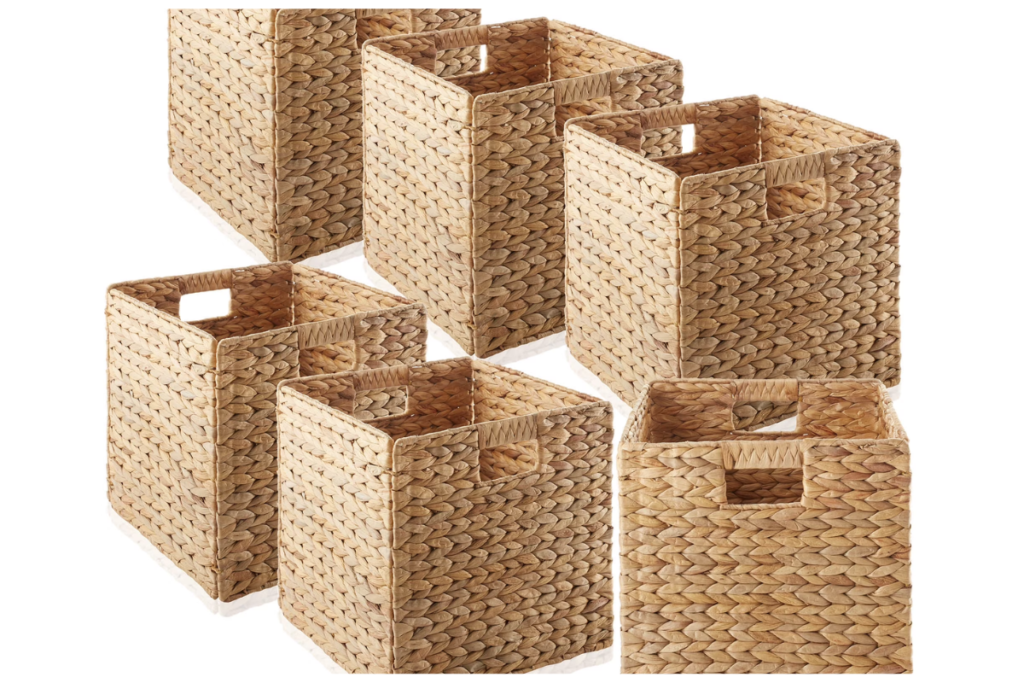
- Small bins or baskets for socks, hats, and accessories
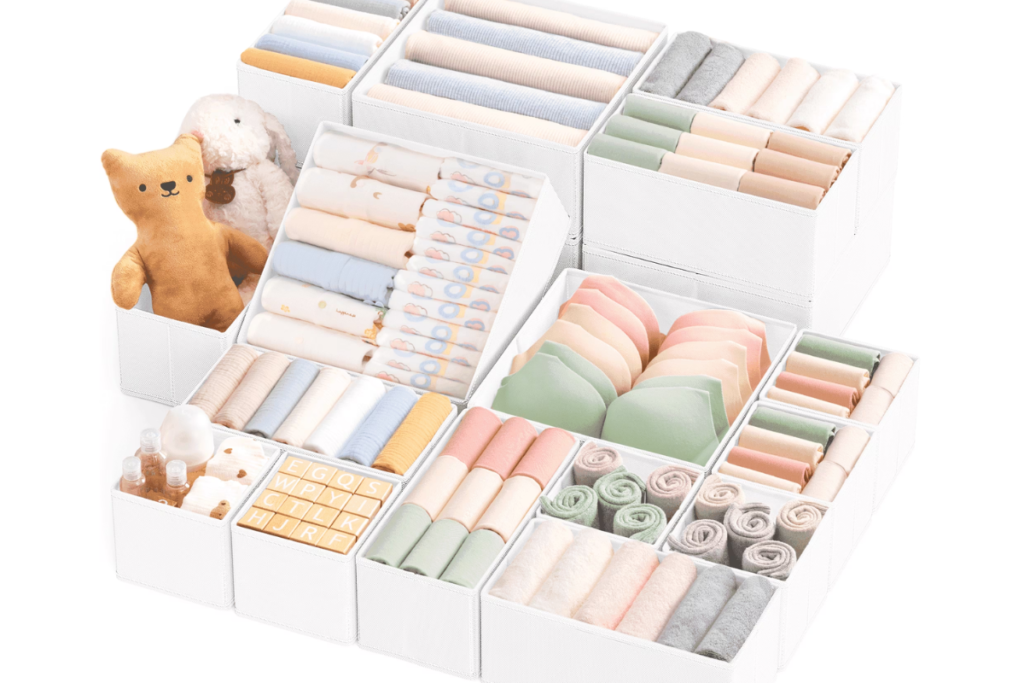
- Shelf dividers to keep folded clothes from toppling
- Over-the-door organizers if closet space is limited
Clear or soft-sided bins help you see what you have without digging.
Create Little Zones That Support Your Day

Think of the closet as a collection of helpful zones, not a single perfect setup.
- Eye-level space: daily outfits and pajamas
- Upper shelves: special occasion clothes or extra supplies
- Lower bins: blankets, swaddles, or bulky items
If you reach for something often, it deserves an easy-to-reach home.
Labels Bring Peace (Not Pressure)
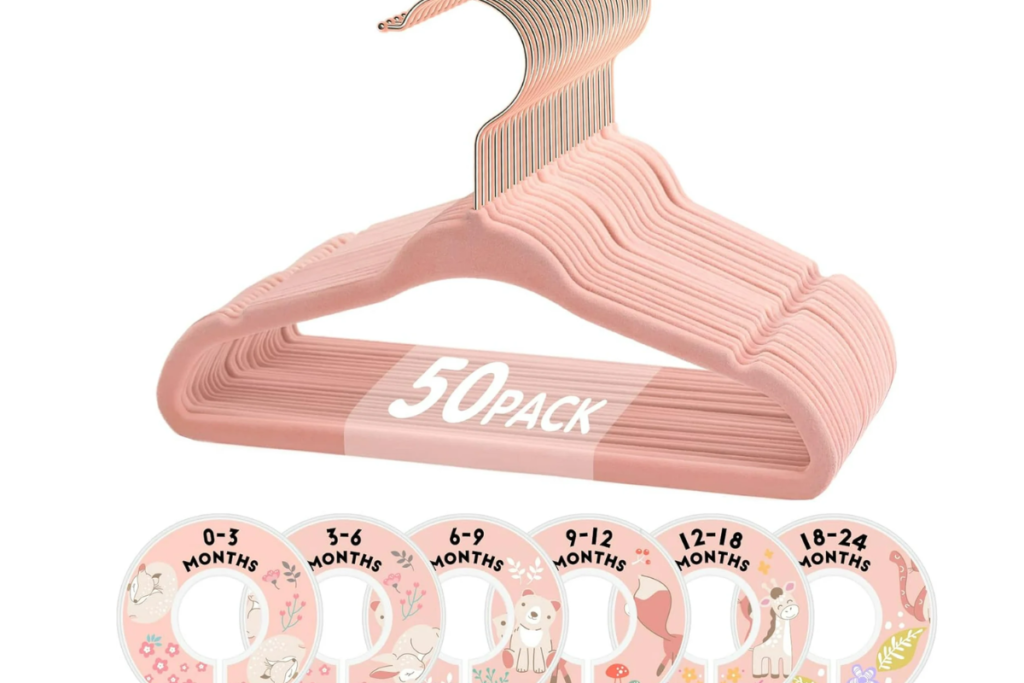
Labels aren’t about control—they’re about clarity.
Simple size labels on hangers or shelves help everyone know where things belong. If you have older children or helpers, picture labels can be especially supportive.
Choose removable or chalk-style labels so your system can grow and change right along with your baby.
Make Room for Growth (Because It Happens So Fast)
One of the kindest things you can do is plan for the next size.
Leave a little empty space in the closet. Keep a small bin labeled “Too Small” so clothes can be rotated out without piling up.
Every few months, take ten minutes to:
- Move outgrown clothes to storage
- Bring in the next size
- Re-center what your baby needs now
Gently Organize the Extras
Accessories and extras deserve care too.
- Shoes: small bins or baskets
- Sleep sacks & swaddles: folded together in one spot
- Blankets: rolled instead of stacked for easy grabbing
- Keepsakes: stored separately so daily items stay uncluttered
Not everything needs to live in the closet—and that’s okay.
Maintain the System in Just 10 Minutes a Week
This doesn’t have to be another chore. Baby closet organization is taking a few minutes weekly to reset all the things.
Once a week, take a few minutes to:
- Return items to their zones
- Remove anything that no longer fits
- Tidy bins and hangers
Small resets prevent big overwhelm.
Our Favorite Organization Products
Over Door organizer
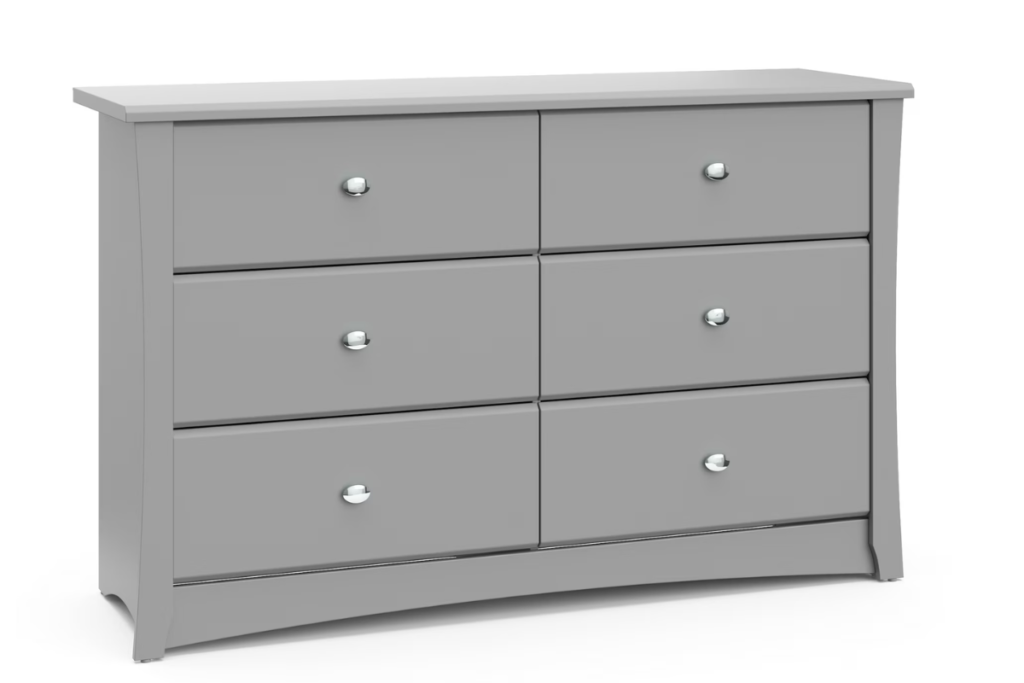
Dresser
Drawer organizers
Baskets for top of shelf
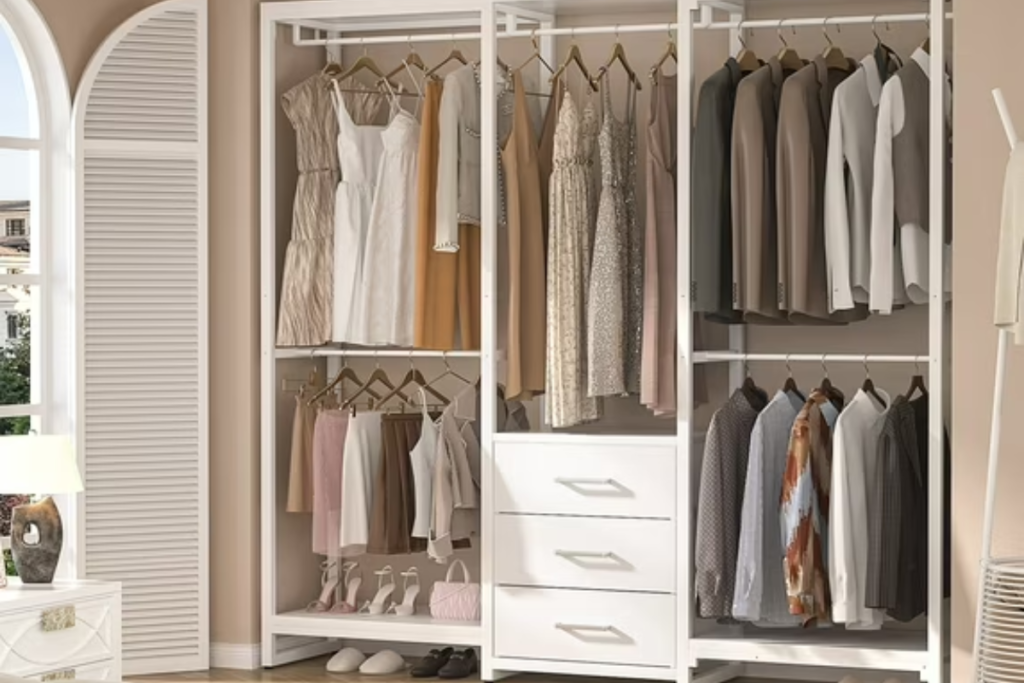
Closet Organizer
A Gentle Reminder Before You Go
Your baby’s closet doesn’t need to look like a magazine. It just needs to support your family in this season.
Baby closet Organization is not about doing more—it’s about making space. Space to breathe. Space to move through your day with a little more ease. Space to enjoy these fleeting moments without feeling buried under clutter.
Start small. Adjust as you go. And trust that whatever system you create—with love and intention—is more than enough.